

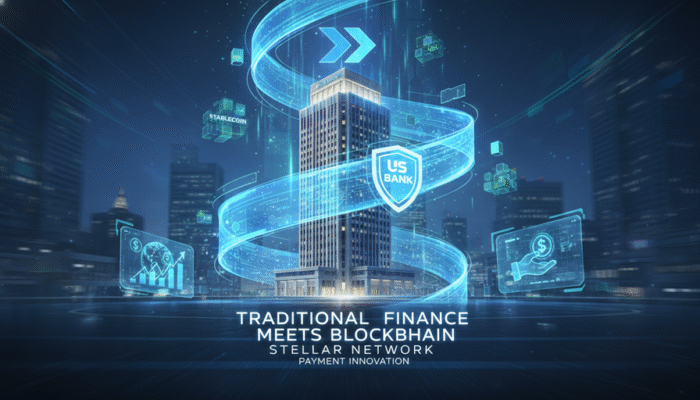
US Bank is pioneering stablecoin issuance on the Stellar Network, signaling a major leap for traditional finance into digital assets. This move aims to enhance payments and explore new digital banking products, transforming the industry.
US Bank Embraces Blockchain Innovation
The financial world is witnessing a remarkable convergence of traditional banking and cutting-edge blockchain technology. At the forefront is US Bank, experimenting with issuing stablecoins on the Stellar Network. According to Finextra Research, this initiative represents a strategic commitment to integrating digital assets directly into core banking operations, rather than a minor pilot project.
The Role of Stablecoins in Modern Finance
For decades, banks have maintained stability through established systems and strict regulations. Yet, the emergence of cryptocurrencies, particularly stablecoins, presents both challenges and opportunities. Stablecoins, pegged to a reserve such as the US dollar, offer speed, transparency, and lower transaction costs while avoiding the volatility of other cryptocurrencies. US Bank’s stablecoin initiative aims to transform banking services, from cross-border payments and treasury optimization to potentially enabling new digital lending solutions.
Why Stellar Network?
The choice of the Stellar Network is deliberate. Stellar is designed for efficient cross-asset transfers and remittances, emphasizing low fees and speed. Its architecture supports institutional adoption, providing a compliant, secure platform for regulated entities to issue and manage digital dollars. For US Bank, Stellar may offer the infrastructure needed to innovate with digital currencies, setting a blueprint for traditional banks in the blockchain era.
Implications for the Banking Industry
This initiative unfolds amid global discussions about central bank digital currencies (CBDCs) and the future of money. While a bank-issued stablecoin differs from a CBDC, it operates within existing regulatory frameworks, offering a faster path for integrating digital assets into commercial banking. Success here could influence regulatory approaches and technological adoption, redefining traditional banking infrastructure for the 21st century.
Opportunities and Challenges Ahead
If successful, US Bank’s stablecoin trials could reshape payments, savings, lending, and investment products in a blockchain-enabled ecosystem. However, challenges remain, including regulatory clarity, security, scalability, and interoperability with existing systems. Despite these hurdles, this initiative signals a bold move toward a more efficient, inclusive, and digitally-native financial landscape.
Source: Google Search
Explore Related Topics
Learn more in our FinTech and Decentralized Tech (Web3) categories.