

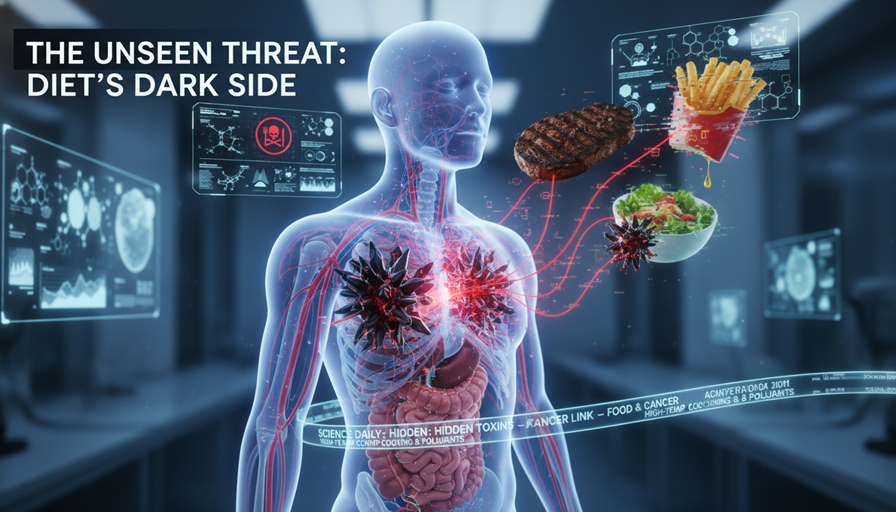
A new study has unearthed previously hidden, cancer-linked compounds in everyday foods, often formed during cooking or environmental exposure. This discovery urges a re-evaluation of our diets and food supply chain to mitigate potential long-term health risks.
Imagine this: the foods we enjoy daily could be silently harboring hidden health hazards. A recent study highlighted by ScienceDaily has identified previously undetected compounds now linked to cancer in a wide array of common foods. Alarmingly, these substances often form during everyday cooking or through environmental exposure. This finding emphasizes the need to rethink not only what we eat but also how our food is produced and prepared.
These compounds are not simply added ingredients—they are byproducts. High-temperature cooking methods like frying, grilling, or roasting can trigger their formation. Environmental pollutants, pesticides, and even food packaging may also contribute. While similar compounds such as acrylamide in potato chips or heterocyclic amines (HCAs) in well-done meats have been studied, this new research focuses on hidden contaminants that are less explored yet potentially more widespread.
Understanding how these compounds appear is crucial. For example, the char on grilled meats or the crispiness of fried potatoes can create potent carcinogens. Awareness of these processes can guide consumers toward safer cooking methods, varied diets, and trusted food sources. Simple adjustments, such as using alternative cooking techniques or diversifying food selection, could significantly reduce risk over time.
For the food industry, this research presents both a challenge and an opportunity. Manufacturers and regulators may need to evaluate current production methods, update safety standards, and implement rigorous monitoring throughout the food supply chain. This could drive innovation in food processing techniques to minimize harmful compounds. Learn more about food safety practices and how to protect consumers effectively.
Ultimately, this study underscores the dynamic nature of food science and public health. It calls for identifying these hidden compounds, studying their effects at different exposure levels, and developing mitigation strategies. For the public, staying informed and taking proactive steps toward healthier dietary habits is essential. Findings like these are stepping stones toward a truly safe and nourishing food system.
Source: sciencealert.com