
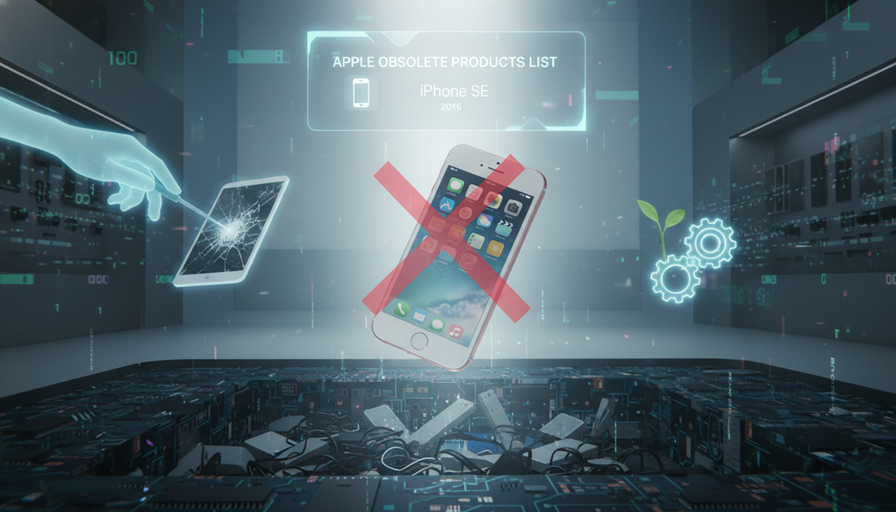
Apple has declared the original iPhone SE ‘obsolete,’ ending official repair support and parts availability for the compact 2016 smartphone. Owners must now seek third-party solutions or consider upgrading their device.
Why Apple Marked the iPhone SE as Obsolete
Apple has officially added the first-generation iPhone SE to its list of obsolete products. The move ends access to official repair services and genuine parts. This change affects many users who still rely on the compact 4-inch device.
Apple follows a structured lifecycle for all hardware. A product becomes “vintage” after five years and “obsolete” after seven. Since Apple discontinued the original iPhone SE in 2018, it now meets the criteria for full obsolescence. As a result, Apple Stores and Authorized Service Providers can no longer repair the device or supply original components.
Why the iPhone SE Still Has a Loyal Fan Base
The original iPhone SE gained a strong following because it offered power in a small design. It combined the A9 chip, a sharp 4-inch Retina display, and a capable 12MP camera. Many users enjoyed its size, affordability, and long software support. Apple even pushed updates until iOS 16, which kept the phone relevant for years.
However, the end of official support now limits repair options. Owners must rely on third-party shops, and the quality of parts may vary. This situation makes the device harder to maintain, especially for issues like battery wear or screen damage.
What This Means for Current iPhone SE Owners
Users can still operate the device, but repairing it will be more difficult going forward. Third-party shops may help with replacements, although their components often lack Apple’s quality control. Because of this, many users may finally consider upgrading to a newer iPhone model.
Finding a modern alternative with the same small size is challenging. Apple no longer produces true 4-inch devices, and even the newer iPhone SE models are larger. This shift makes the upgrade decision more complicated for fans of compact phones.
The Broader Debate: Repair Rights and Device Lifespans
Apple’s decision has renewed discussions about repair rights and product longevity. Critics argue that ending support for still-functional devices pushes users to buy new ones, which increases electronic waste. Meanwhile, manufacturers claim they must end support due to limited spare parts and fast-changing technology.
This conversation reflects ongoing changes in the tech industry. Consumers want longer device lifespans, while companies must balance resources and innovation.
Conclusion: A Natural End for a Beloved Device
The original iPhone SE reaching obsolescence was inevitable. Even so, the announcement marks the end of an era for users who valued the device’s compact design and reliability. Although it may continue to work, maintaining it will now be harder. Ultimately, the change signals that it may be time for long-time SE owners to explore their next upgrade.
Source: apple.com