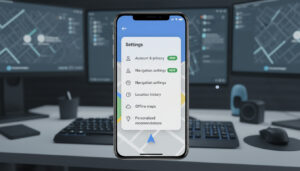


Google has released developer previews for Android 16 and Wear OS 6, giving developers early access to new features, APIs, and tools. These previews, alongside Android Studio updates, are shaping the future of mobile and wearable ecosystems.
Google has officially launched the developer preview versions of Android 16 and Wear OS 6, marking the beginning of the next evolution in its mobile and wearable platforms. This early rollout provides developers with critical insight into upcoming system changes while offering a clear window to prepare applications ahead of public release.
Alongside these previews, Google has also introduced targeted updates to Android Studio. Together, these releases reinforce Google’s commitment to a developer-first ecosystem built on stability, performance, and long-term scalability.
What the Android 16 Developer Preview Introduces
The Android 16 developer preview is designed to give app creators a valuable head start. Developers can now test compatibility, explore new APIs, and adapt applications to platform-level changes well before Android 16 reaches consumers.
Historically, early Android previews focus on system performance, privacy improvements, security refinements, and user experience updates. Android 16 continues this pattern by allowing developers to validate behavior changes early, reducing launch-day issues and improving overall app quality.
This proactive testing approach strengthens the broader Mobile & App Ecosystems landscape while supporting innovation across Software Engineering.
Wear OS 6 and the Future of Wearable Development
The release of the Wear OS 6 developer preview highlights Google’s ongoing focus on wearables. Developers working on smartwatch apps now gain early access to platform enhancements that improve performance, battery efficiency, and device integration.
As wearable adoption continues to grow, early optimization becomes increasingly important. Developers who engage during the preview phase can better align their apps with new hardware capabilities and evolving user expectations.
This early involvement helps ensure a richer and more stable app ecosystem once Wear OS 6 reaches full release.
Android Studio Updates Support Early Adoption
To complement the OS previews, Google has rolled out updates to Android Studio, its primary development environment. These updates typically include enhanced debugging tools, improved emulators, and performance optimizations tailored for new Android and Wear OS versions.
By keeping Android Studio tightly aligned with platform changes, Google simplifies development workflows. As a result, developers can test faster, debug more effectively, and ship higher-quality applications.
Why Developer Feedback Matters
Google strongly encourages developers to install these previews, test their applications, and submit feedback. This feedback loop plays a critical role in refining features, fixing bugs, and ensuring platform stability.
Early developer participation directly shapes the final releases of Android 16 and Wear OS 6. More importantly, it ensures that both platforms meet real-world needs across diverse devices and use cases.
With these previews now available, the journey toward the next generation of Android and Wear OS has officially begun.
Sources: BleepingComputer, Android Developers, Google Blog