

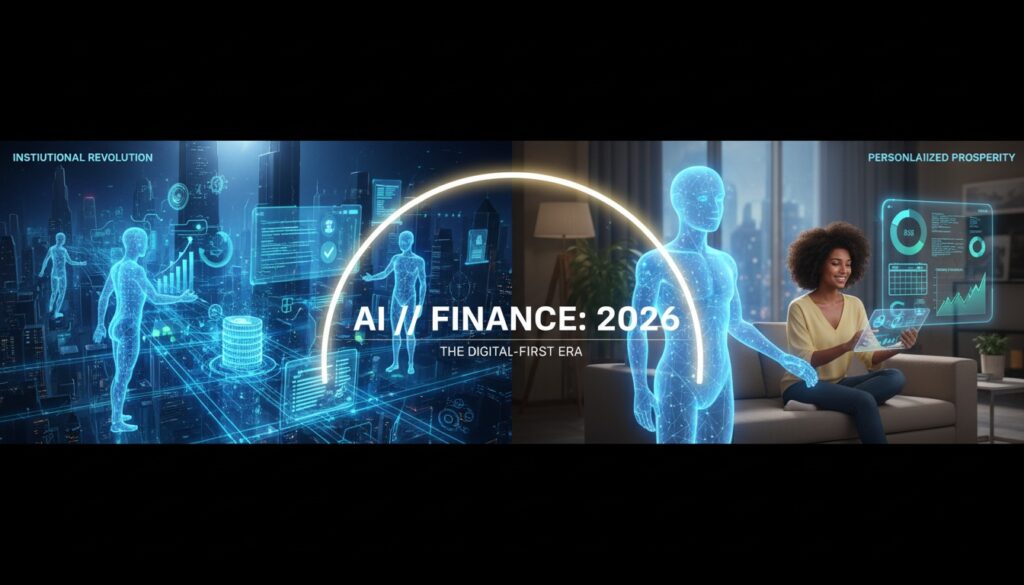
AI agents are set to transform banking and finance by 2026, automating complex tasks and delivering deeply personalized financial services. This shift promises higher efficiency, stronger security, and smarter customer engagement.
The global financial sector is approaching a major turning point. By 2026, AI agents are expected to move from experimental tools to core operational systems across banking and finance. Unlike traditional automation, these intelligent agents can reason, adapt, and act autonomously, fundamentally changing how financial institutions operate.
At their core,AI agents excel at automating complex, data-heavy processes. For example, transaction reconciliation, which involves verifying millions of daily records, can now be handled in real time. As a result, errors drop sharply while processing speed increases. In addition, AI agents can continuously monitor transactions, detect anomalies, and flag suspicious behavior before it escalates into fraud.
Regulatory compliance is another area undergoing rapid transformation. Financial regulations evolve constantly, placing immense pressure on banks to remain compliant. AI agents can track regulatory changes, audit transactions automatically, and generate compliance reports with greater accuracy. Consequently, institutions reduce both operational risk and compliance costs.
Beyond backend operations, AI agents are redefining customer experience in banking and finance. Instead of static chatbots, customers interact with intelligent financial assistants that understand personal goals, spending patterns, and risk tolerance. These agents can suggest savings strategies, recommend investments, and even pre-approve loans within minutes. This level of personalization builds trust while improving customer satisfaction.
Security also improves as AI agents mature. Because they learn continuously, they adapt quickly to emerging fraud patterns and cyber threats. This makes them especially effective in defending digital banking platforms. As financial crime becomes more sophisticated, adaptive AI agents serve as a critical line of defense.
However, this transformation comes with challenges. Financial institutions must invest heavily in secure data infrastructure, ethical AI governance, and workforce upskilling. Transparency and fairness in automated decision-making will also remain under close regulatory scrutiny. Nevertheless, banks that adopt AI agents early are likely to gain a lasting competitive advantage.
As 2026 draws closer, one thing is clear: AI agents will not simply enhance banking and finance—they will redefine it. Institutions that embrace this shift will deliver faster services, stronger security, and more personalized financial solutions in a rapidly evolving digital economy.
Source: Forbes