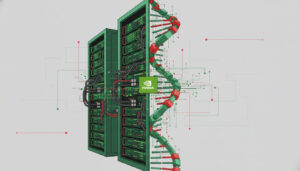

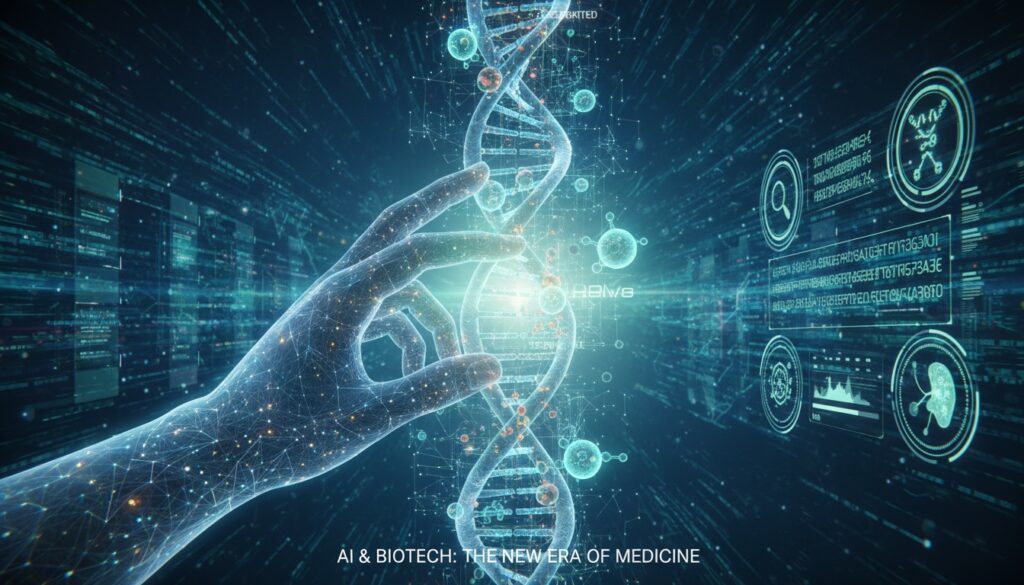
AI and machine learning are reshaping biotechnology by accelerating drug discovery, enabling personalized medicine, and improving diagnostics. This shift promises faster innovation, more accurate treatments, and a smarter healthcare future.
The convergence of AI and machine learning in biotechnology is rapidly redefining how medical research and healthcare innovation evolve. Traditionally, biotech development involved long timelines, massive costs, and high failure rates. Today, artificial intelligence is breaking those limitations by delivering speed, precision, and data-driven insight at scale.
This transformation is not incremental. Instead, it represents a fundamental redesign of how diseases are studied, diagnosed, and treated.
AI and Machine Learning in Drug Discovery
One of the most impactful applications of AI in biotechnology is drug discovery. Historically, developing a new drug could take over a decade and billions of dollars. AI-powered models now analyze massive datasets of chemical compounds, proteins, and biological pathways in a fraction of that time.
Machine learning algorithms can predict drug effectiveness, identify potential toxicity risks, and optimize molecular structures before physical testing begins. As a result, researchers can focus only on the most promising candidates, reducing waste and accelerating development.
This shift aligns closely with innovation trends across Artificial Intelligence and BioTech & MedTech, where automation and predictive analytics are becoming essential tools.
Personalized Medicine Powered by AI
Machine learning in biotechnology also plays a central role in personalized medicine. By analyzing genetic data, lifestyle patterns, and clinical history, AI systems can predict disease risk and tailor treatments to individual patients.
This approach moves healthcare away from generalized therapies and toward precision-based care. Treatments become more effective, side effects decrease, and outcomes improve significantly.
AI-driven genomic analysis allows clinicians to identify disease mechanisms with greater clarity. Consequently, therapies can be selected based on a patient’s unique biological profile rather than population averages.
AI-Driven Diagnostics and Early Detection
The diagnostic process is also being transformed. AI systems now analyze medical images such as X-rays, MRIs, and pathology slides with exceptional accuracy. In many cases, they detect patterns that human specialists may overlook.
Early detection is critical for conditions like cancer and rare genetic disorders. By processing data from electronic health records, wearables, and medical imaging, AI provides clinicians with a comprehensive view of patient health.
Additionally, machine learning models help identify new biomarkers, improving disease monitoring and long-term care planning.
Challenges Facing AI in Biotechnology
Despite its promise, the integration of AI into biotechnology presents real challenges. Data privacy concerns, regulatory requirements, and the lack of transparency in some AI decision-making models require careful oversight.
High implementation costs and the need for standardized, high-quality data also remain obstacles. However, ongoing collaboration between AI engineers, researchers, and healthcare professionals continues to address these issues.
As these challenges are resolved, AI and machine learning are set to become permanent pillars of biotech innovation.
Sources: ScienceDaily, National Institutes of Health, Nature