

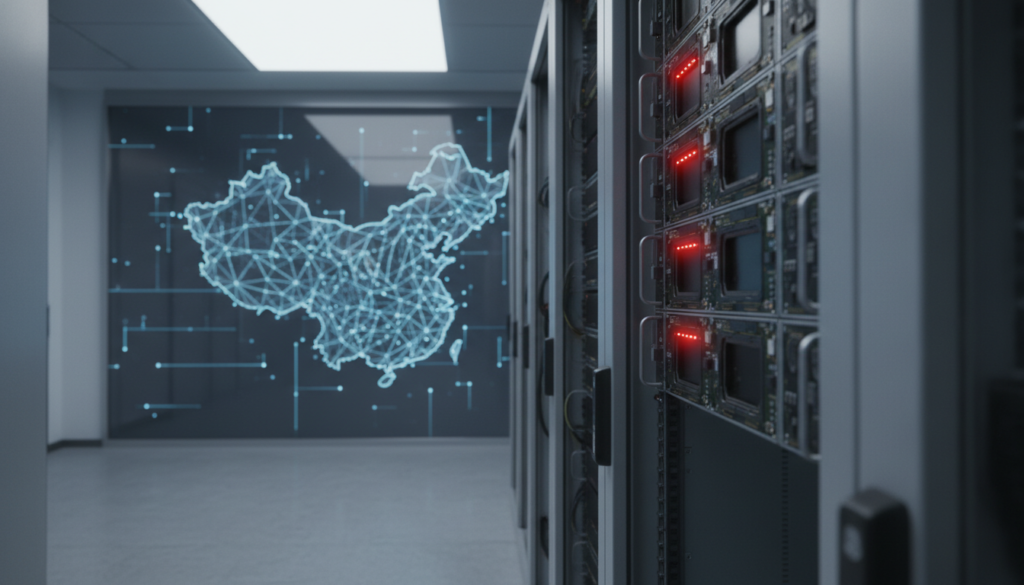
Tech giants Intel and AMD warn Chinese customers of a severe server CPU shortage. Lead times may extend to six months due to global AI infrastructure demands, threatening data center expansion and digital growth in the region.
The global technology landscape is currently grappling with an intensifying semiconductor crunch. Consequently, the latest casualty appears to be the critical server CPU shortage China is now facing. Tech giants Intel and AMD have reportedly issued warnings to their Chinese customer base. Specifically, they are signaling significant delays in the delivery of essential server processors.
Intel is currently a dominant player in the server chip market. However, it has specifically cautioned customers to brace for potential lead times stretching up to six months. This duration could severely impact operational planning for many businesses. Furthermore, this looming shortage is not an isolated incident. Rather, it is a direct consequence of the explosive growth in Artificial Intelligence infrastructure worldwide.
Much recent focus has centered on Graphics Processing Units (GPUs) for AI training. Yet, the ripple effect is clearly extending to other critical parts of the semiconductor ecosystem. As a result, server CPUs are becoming a scarce resource. These chips manage data processing within data centers and are foundational to AI workloads. Indeed, even specialized GPU clusters rely heavily on standard CPUs.
The immense investment pouring into AI data centers is creating unprecedented demand. Therefore, this affects the entire spectrum of high-performance computing components. For China, these delays carry substantial implications. In fact, the nation is at the forefront of digital transformation. Consequently, Chinese cloud service providers and Enterprise Tech behemoths like Alibaba will face considerable hurdles.
Countless startups relying on robust server infrastructure are also at risk. Moreover, the ability to scale data centers could be significantly hampered. Such delays could slow down innovation and increase operational costs. Additionally, this potentially impacts the competitive standing of Chinese tech companies globally. According to reports from Reuters, supply chain constraints remain a top concern for major tech firms.
The warnings from Intel and AMD underscore the precarious nature of the global supply chain. Although efforts are underway to diversify manufacturing, risks remain. Currently, advanced server CPUs remain concentrated among a few key producers. Furthermore, geopolitical tensions between the U.S. and China complicate this scenario. As noted by Bloomberg, trade restrictions often exacerbate hardware availability issues.
Reliable access to cutting-edge silicon is now a strategic imperative. Looking ahead, this server CPU shortage China situation could accelerate domestic self-sufficiency efforts. However, developing capabilities comparable to Intel is a multi-year endeavor. In the short term, Chinese enterprises may need to adapt rapidly. For instance, they might optimize existing resources or delay upgrades.
Alternatively, companies may explore different Cloud Computing architectures. Ultimately, the server CPU shortage serves as a stark reminder. The AI revolution promises immense opportunities. Nevertheless, it also brings significant challenges in ensuring foundational hardware is available. Experts at TechCrunch suggest that hardware bottlenecks will persist throughout the year. The coming months will test the resilience of China’s digital economy.