
Once known as Nigeria’s coal capital, Enugu is rapidly redefining itself as a powerhouse of digital innovation. The recently concluded Enugu Tech Festival has made one thing clear: the Coal City is no longer digging for energy beneath the earth, it is generating it from minds, machines, and code.
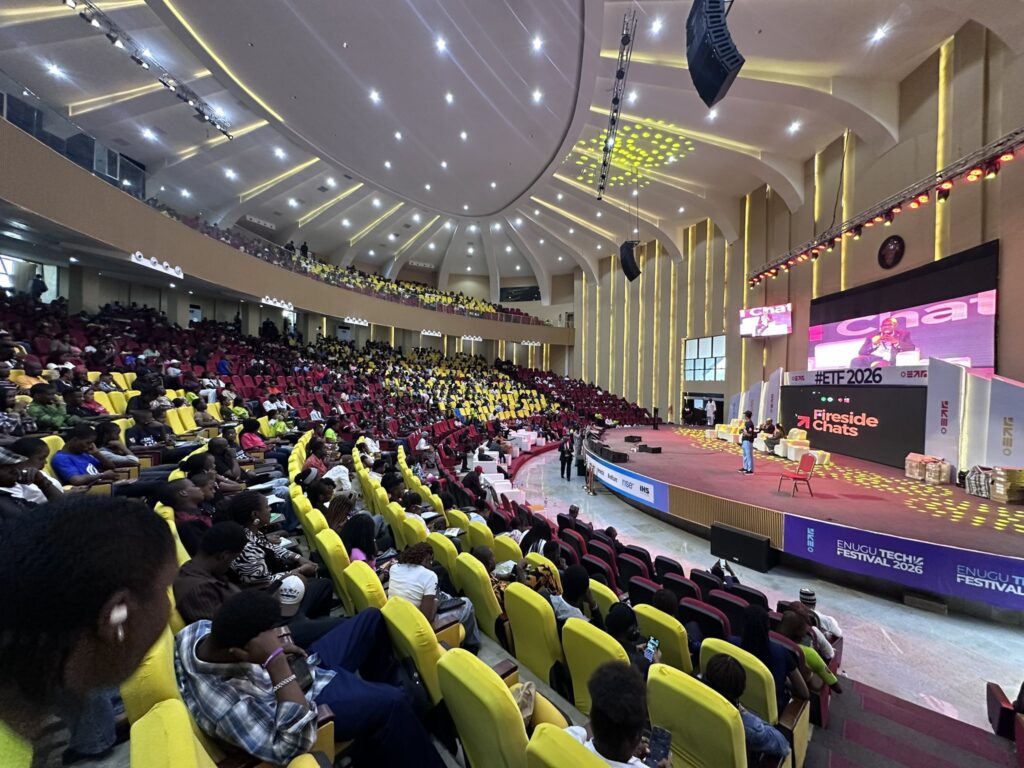
The recently concluded Enugu Tech Festival (ETF 2.0), held at the International Conference Centre, Enugu, was more than just a technology gathering. It was a declaration. A declaration that Enugu is ready to lead Africa’s next digital revolution.
With over 53,000 physical attendees and thousands more joining virtually, the festival surpassed expectations and shattered attendance projections. But beyond the impressive numbers lies a deeper narrative, one of transformation, ambition, and deliberate governance. Enugu is no longer simply the historic Coal City. It is emerging as a citadel of innovation.
From Coal Mines to Code Lines
For decades, Enugu’s identity was tied to coal, the black gold that powered Nigeria’s early industrial growth. Today, the city is mining something far more renewable: talent. Under the theme “Coal to Code: Energy in New Form”, the festival symbolized a profound economic shift from extractive industry to intellectual capital.
This transformation is not accidental. It reflects a broader vision championed by the administration of Governor Peter Ndubuisi Mbah and driven by the Ministry of Innovation, Science and Technology. The message is unmistakable: Enugu is positioning itself as Africa’s next Silicon Valley.
A Friendly Environment for Innovation
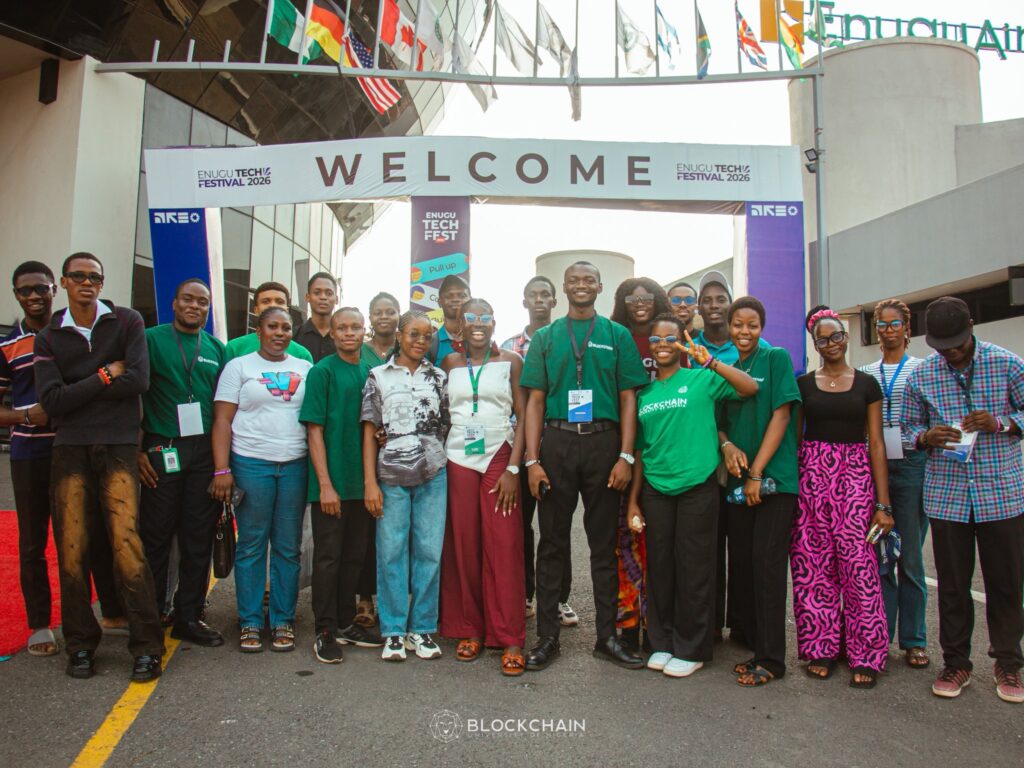
Technology does not thrive in chaos. It flourishes in environments where infrastructure, policy, and public support align. Enugu is steadily building that alignment.
The state government has demonstrated rare political will by prioritizing digital infrastructure, innovation hubs, and startup incubation. Public institutions are opening their doors to collaboration, and regulatory processes are increasingly streamlined to encourage enterprise.
For investors, this signals stability. For founders, it signals opportunity.
Human Capital: Enugu’s Greatest Resource
No technology ecosystem survives without talent. Enugu’s advantage lies in its robust educational institutions and a youthful population hungry for opportunity. Student innovators at the festival showcased robotics, smart waste systems, blockchain solutions, and AI-powered platforms. These were not abstract ideas; they were practical, market-ready innovations.
What makes this significant is not just the creativity on display, but the confidence behind it. The youth of Enugu are not waiting to migrate to Lagos, Nairobi, or abroad to build. They are building at home.
That shift in mindset is the foundation of every global tech hub.
Investment Momentum Is Already Building
With over 37 investors and more than 50 startups participating, the Deal Room sessions were among the most anticipated segments of the festival. Several startups secured multi-million-naira backing, including winners of the Design Thinking Challenge sponsored by TD Africa.
This inflow of capital signals market validation. Investors are beginning to recognize what the festival boldly demonstrated: Enugu is not experimenting with innovation, it is institutionalizing it.
When public support meets private capital and meets abundant talent, ecosystems accelerate rapidly. Enugu is now at that intersection.
Beyond Lagos: The Rise of Regional Tech Powerhouses
Africa’s tech narrative has long been dominated by a few major cities. However, the success of Enugu Tech Festival proves that innovation is decentralizing. Regional centers are no longer peripheral; they are becoming primary engines of growth.
Enugu offers what saturated markets cannot, space to scale, lower operating costs, less congestion, and a government actively courting innovation. For early-stage investors and global partners seeking high-growth, underleveraged ecosystems, the Coal City presents a compelling proposition.
A Blueprint for Africa’s Future
Every great technology hub begins with belief. Silicon Valley was once orchards. Shenzhen was once farmland. Enugu was once coal mines.
Today, it stands on the cusp of a new identity.
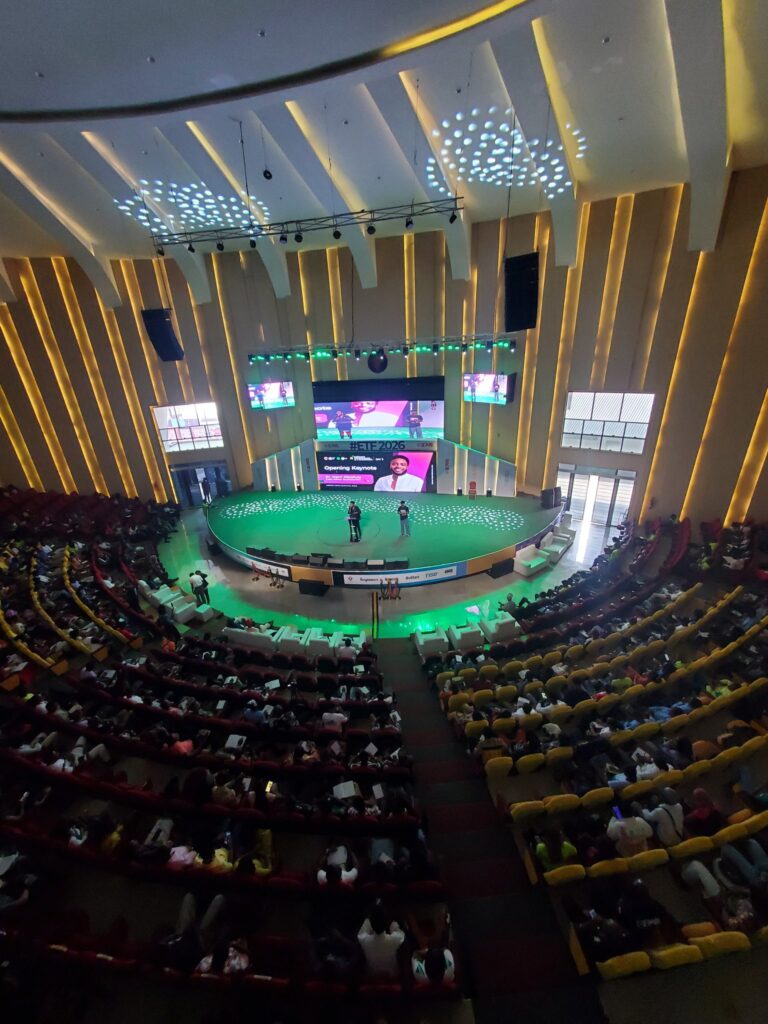
The Enugu Tech Festival was not merely an event; it was a signal flare. It told the world that Africa’s next great innovation story may not come from the usual suspects. It may come from a city that understands reinvention, a city that has transformed energy before and is prepared to do so again.
If current momentum continues, investors looking back a decade from now may say they missed the early signs. The smart capital will not wait.
Enugu is no longer just the Coal City. It is the Code City. And the future is being written there.