
Quick Insight: The South East tech ecosystem is shifting from silent building to structured visibility, regional collaboration, and venture-ready execution—positioning itself as a serious player in Africa’s digital economy.
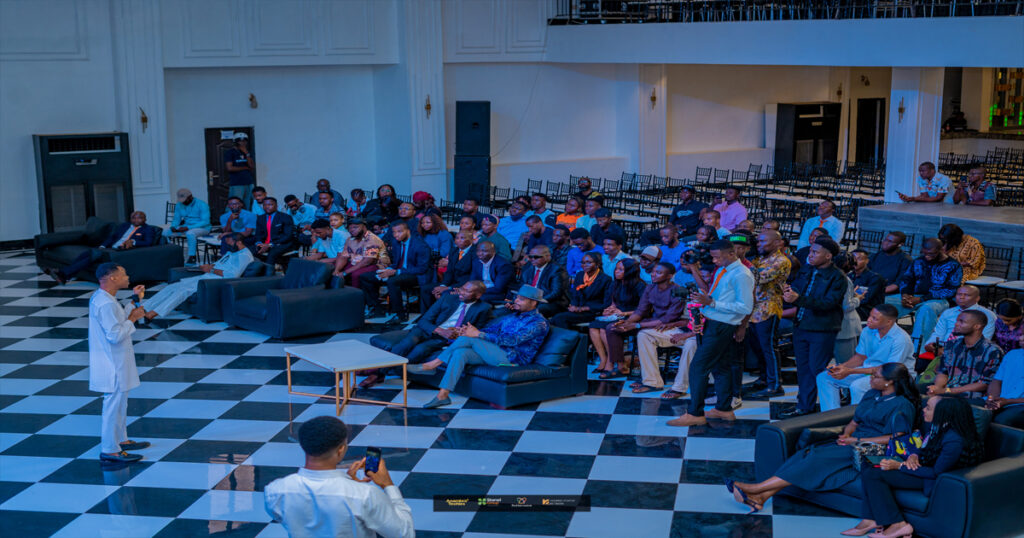
Venue: Stanel World, Awka, Anambra State
Framework: SNA-v4.2-TECH-REGIONAL-2026 Philosophy
Focus: Regional Integration, Founder Visibility, and Actionable Execution
1. Overview of the Dialogue
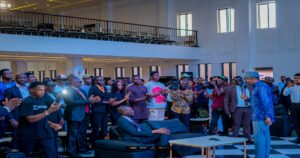
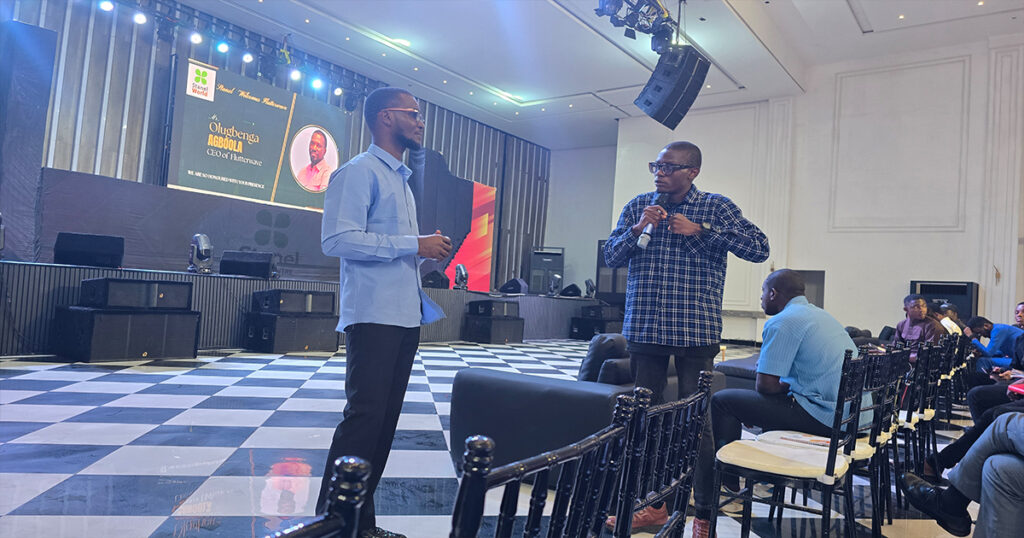
The atmosphere at Stanel World, Awka, was more than just a gathering of tech enthusiasts; in fact, it became a high-stakes dialogue on the future of the South East Nigeria digital economy. While theoretical frameworks often dominate tech discourse, this time the conversation revealed the raw, specific voices and faces actively driving the regional shift.
Clearly, the consensus was straightforward: Anambra is the spark, but the South East regional ecosystem is the engine. More importantly, from the innovation hubs of Enugu to the industrial tech of Owerri and the emerging digital workforce in Awka, stakeholders are building a unified strategy—one that prioritizes local context over imported templates.
As a result, as the region expands its digital footprint, discussions around Artificial Intelligence and startup ecosystem growth continue to shape the future of innovation in the South East.

2. Individual Contributions & Key Themes at Stanel World
The session brought together founders, policy advocates, and builders. Overall, the following key contributions shaped the narrative:
A. The Storytelling Mandate (Visibility as Currency)
One of the most vocal contributions addressed the “Visibility Gap.” Historically, builders in the South East built in the dark, which created a perception that the region is inactive.
- The Individual Contribution: Specifically, participants focused on the role of media platforms like Techaloop. They argued that these platforms must go beyond reporting and actively document the “founder’s journey” to attract external investment.
- Key Takeaway: “Regardless of your value, you must be seen. Otherwise, building quietly limits growth; building in public invites collaboration.”
B. Strategic Preparedness (The “OPay/Moniepoint” Benchmark)
A recurring theme emphasized the need for builders to stop waiting for “perfect conditions.”
- The Individual Contribution: Notably, participants highlighted how Moniepoint and OPay positioned themselves years before the cashless policy surge instead of waiting for perfect conditions.
- Key Takeaway: Therefore, South East startups must remain “policy-ready.” It is not enough to build a product; builders must anticipate where regulation is heading.
For example, regulatory direction continues to evolve, as seen in Central Bank of Nigeria policy updates.
C. Countering “Demarketing”
There was a strong focus on protecting the “Anambra Brand.”
- The Individual Contribution: In particular, stakeholders explained that negative narratives about infrastructure or insecurity reduce investor confidence.
- Key Takeaway: Consequently, whenever builders complain without offering solutions, they lower the state’s “Investment Grade.” Instead, the focus must shift toward highlighting wins and progress.
3. The Larger Ecosystem: The South East Regional Vision

The conversation at Stanel World moved beyond state lines. As a result, it became clear that Anambra’s growth serves as a pilot for a broader South East Development Commission (SEDC) agenda:
- The SEVCP $50M Fund: Importantly, the South East Venture Capital Programme represents a shift from grants to equity-based growth, providing a structured $50 million pool for startups across the five eastern states.
- Decentralization beyond the Capital: In addition, stakeholders pushed for tech education to extend beyond Enugu and Awka. The goal is to integrate grassroots talents in places like Dunukofia, Nnewi, and Aba into the digital economy.
- Global Bridges: Furthermore, the Solution Innovation District (SID) recently signed an MoU with Saudi Arabia’s Dhahran Techno Valley. This move signals that the South East now targets global partnerships—not just national ones.
Similarly, global collaboration trends can be explored through World Economic Forum technology insights.

4. Strategic Shift Summary
| Old Approach (Status Quo) | The 2026 Philosophy |
|---|---|
| Silent Building: Working in isolation. | Building in Public: Inviting feedback and scale. |
| Grant Seeking: Waiting for government aid. | Venture-Ready: Positioning for equity and milestones. |
| Lagos-Centric: Measuring success by Lagos standards. | Regional Pride: Leveraging the South East trade network. |
| Loose Structure: Casual approaches to timing. | Execution Discipline: High professionalism and consistency. |
5. Final Thought: Commitment to the Process
The future of the ecosystem depends on belief followed by action. Ultimately, the gathering at Stanel World proved that the “Anambra Tech Ecosystem” is no longer a buzzword—it is a community under active construction.
At this stage, the transition from Value to Visibility remains the core mission. As one contributor noted:
“We are no longer asking for a seat at the table; we are building our own table in the East.”
To stay updated, explore more insights on technology trends in Africa.
Report compiled based on the Stanel World Tech Dialogue, Awka.