
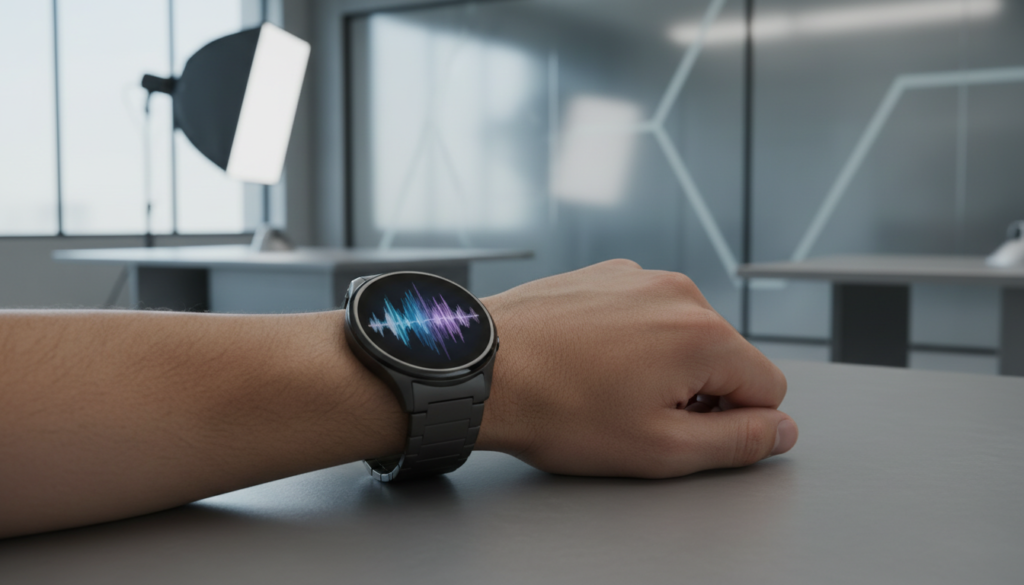
Meta is reportedly reviving its hardware ambitions with the ‘Malibu 2’ project. Targeted for a 2026 release, this device aims to integrate advanced AI assistants and robust health tracking into a flagship smartwatch.
Meta is reportedly plotting a significant return to the wearable technology sector. Specifically, the tech giant is targeting a 2026 launch for its inaugural wearable, the Meta Malibu 2 smartwatch. This strategic move signals a renewed ambition to secure a foothold in the competitive hardware market. Furthermore, the company intends to leverage its massive ecosystem to drive adoption. Analysts suggest this could reshape the landscape of Consumer Tech significantly.
The ‘Malibu 2’ promises to be more than a simple timepiece. In fact, reports indicate it will feature a deeply integrated AI assistant. Consequently, users could access information and smart controls directly from their wrists. This aligns with Meta’s broader goal to infuse Artificial Intelligence across all products. Moreover, the device will prioritize health tracking functionalities. Features may include heart rate monitoring and activity analysis, comparable to market leaders detailed by The Verge.
This is not Meta’s first attempt at building a smartwatch. Previous projects were shelved due to strategic shifts. However, the resurgence of the Meta Malibu 2 smartwatch suggests a pivot in hardware philosophy. Additionally, a successful launch would expand Meta’s data collection capabilities. Therefore, the device acts as a direct platform for their evolving digital assistant. It aims to embed Meta’s services into the user’s daily physical life.
Success is far from guaranteed in this saturated market. For instance, Apple and Samsung already dominate the sector with loyal user bases. As a result, Meta faces a steep climb to win consumer trust. Bloomberg notes that privacy concerns remain a major hurdle for the social media giant. Consequently, the Meta Malibu 2 smartwatch must offer undeniable value to succeed. Pricing and battery life will be critical differentiators.
Engineering challenges also loom large for the project. Integrating powerful AI into a compact form factor is difficult. Specifically, managing processing power without draining the battery is a complex task. Nevertheless, Meta seems committed to overcoming these technical barriers. Ultimately, the tech world awaits the 2026 reveal with keen interest. For the latest updates, stay tuned to our Tech News section. In conclusion, this device could either cement Meta’s hardware reputation or become another costly experiment, a sentiment echoed by TechCrunch.