
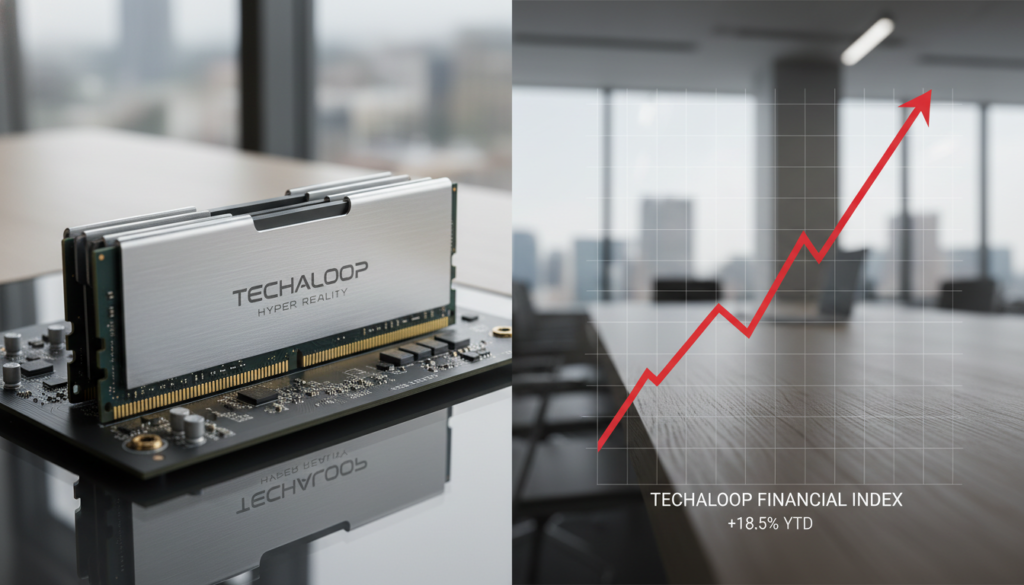
DDR5 RAM prices have skyrocketed 300% in six months, now exceeding the cost of a new MacBook Air. This creates a significant barrier for PC builders, driven by supply chain issues and surging AI demand.
The PC hardware market faces a severe disruption. Specifically, a massive DDR5 RAM price surge has shocked enthusiasts worldwide. Consequently, the cost of 64GB modules has jumped 300% in just six months. To clarify, you now pay more for this memory than a new MacBook Air. This unprecedented hike impacts everyone from gamers to professionals. Therefore, system builders must rethink their procurement strategies immediately. But what drives this sudden financial escalation?
DDR5 represents the current gold standard for global memory technology. It offers significant speed and efficiency advantages over predecessor DDR4. Moreover, it powers the latest platforms from Consumer Tech giants Intel and AMD. These chips handle 4K gaming and intense rendering workloads. However, high costs now hinder widespread access to these speeds. Previously, experts expected prices to drop gradually over time. Unfortunately, recent market shifts have changed this reality completely.
Several critical factors fuel this alarming DDR5 RAM price surge. First, global supply chain disruptions persist across the sector. Consequently, raw materials remain scarce for major semiconductor manufacturers. Second, the booming Artificial Intelligence sector demands high-bandwidth memory. As a result, data centers absorb a significant chunk of production capacity. Furthermore, manufacturing complexities add to the overall unit cost. For deep market analysis, refer to reports from TrendForce regarding output cuts. Finally, manufacturers may be strategically adjusting output to stabilize profits.
For average consumers, the financial impact is immediate and painful. Building a top-tier PC now requires a substantially larger budget. Therefore, many users must delay their planned system upgrades. Alternatively, builders might settle for lower memory capacities. Sadly, this situation impedes broader technological progress for individuals. Furthermore, enterprise operational costs are rising rapidly. This trend could slow research in data analytics significantly. Additional context on consumer impact is available at Tom’s Hardware.
Predicting exactly when this DDR5 RAM price surge ends is difficult. Experts cite the urgent need for increased manufacturing output. Additionally, global supply chain pressures must ease significantly. Major players like Samsung largely dictate the current market flow. You can track these financial shifts via Bloomberg technology listings. Meanwhile, consumers should exercise extreme caution with purchases. Keeping an eye on Tech News for pricing updates is crucial.
For consumers, the financial impact is immediate. Building a top-tier PC now requires a much larger outlay. Consequently, many enthusiasts must delay their planned upgrades. Others might settle for lower-capacity modules. Some may even stick with older DDR4 platforms. This reluctance slows down progress in the Gaming and Esports world. High-performance gaming rigs rely heavily on fast memory for 4K rendering. Thus, the current costs create a high barrier to entry.
The industry is not immune to these shifts either. Enterprise solutions rely on large pools of high-speed memory. Servers and workstations face increased operational costs. Moreover, this inflation could slow down new infrastructure deployment. It specifically dampens R&D in memory-intensive fields. Enterprise Tech budgets must now account for these exorbitant component costs. This DDR5 RAM price surge forces companies to rethink their hardware strategies.
Future Market Outlook
Pinpointing when prices will stabilize is incredibly difficult. Industry analysts suggest relief will take time. It requires a combination of increased manufacturing output and supply chain easing. Additionally, major manufacturers like Samsung and SK Hynix hold immense influence. Their production strategies will dictate future availability. In the meantime, builders must be strategic. Waiting for market corrections might be the only viable option. Until supply balances with the AI-driven demand, the DDR5 RAM price surge will likely persist. Consumers must navigate this volatile landscape carefully.
For more context on the global semiconductor market, reports from Reuters Technology provide deep insights. Additionally, technical breakdowns of memory architecture can be found on Tom’s Hardware. Finally, for broader economic impacts on tech, refer to Bloomberg Technology.